6 behaviors the child with a lack of affection looks like

Baby in White Onesie
Imagine that you are not loved by the most precious person in your life. Wouldn't it be the same mind if it were an emotionally deficient child? Let's become parents full of love and let our children feel how precious they are.
6 behaviors the child with a lack of affection looks like
Cuddling, kissing, caressing, and giving warm advice are expressions of affection. If you are a parent, you should express your love more so that your child does not grow into a child with a lack of affection.
Showing affection will help your child's psychological and social skills develop healthily.
The growth and the development of a child is largely up to the parent or the adult in charge of upbringing.
The same goes for not only financial support and education, but also the emotional and psychological development of a child.
There is no a better gift for a child than a parent who shows affection, love, and understanding.
Parents who are loving and tolerant guide their children to grow up in a healthy environment and continue to develop good habits learned at home.
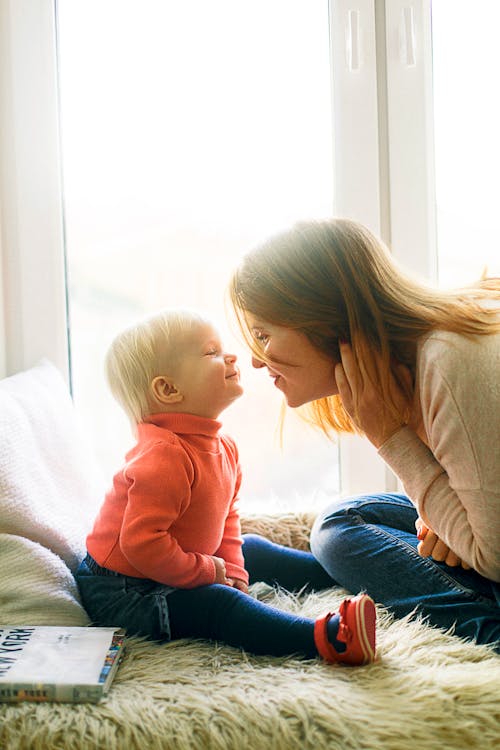
Woman And Child Sitting On Fur Covered Bed
However, the reality is that many children feel a lack of affection. It is not only at home but also in the surrounding environment.
If this condition persists, a lack of affection will affect behavior and manifest themselves.
Behavior of a the child with a lack of affection
In childhood, especially in order to feel loved and protected, ask for signs of love from the closest people. However, the bigger the child, the fewer and fewer parents will show signs of affection to the child.
In modern the living environment where time spent at work is long and hectic, adults, including parents, often forget their roles or norms at home
. These roles include expressing love outside so that children can feel how precious they are to their parents.
A child who lacks affection may have more time to feel lonely and may even feel abandoned. All. If the lack of affection persists, communication between parents and children become increasingly difficult and can adversely affect the child's formation of self-esteem.
Let's look at some of the following problems that can be symptoms of a lack of affection, and see if you know that your child wants to be loved more.
It is nicknamed “headache” and has trouble communicating with friends or other people.
See what's happening around you defensively and act sensitively.
There is child stress.
Weak immunity due to the high-stress index.

Person Wearing Red Hoodie
1. Rebellion
Children with emotional deficiencies are more inclined to get attention.
To be in the middle of attention, the child rebels against the words of his parents and engage in inappropriate behavior, such as crying out loud in a public place or living in a herd.
Children who want the love and affection of their parents often get into trouble, and if they're still lacking, they'll cause bigger accidents more often.
Typical rebellious behaviors seen in childhood are:
I laugh as if my breath could pass.
Has an aggressive tendency.
Get angry and angry.
Act impulsively.
Your mood changes from time to time.
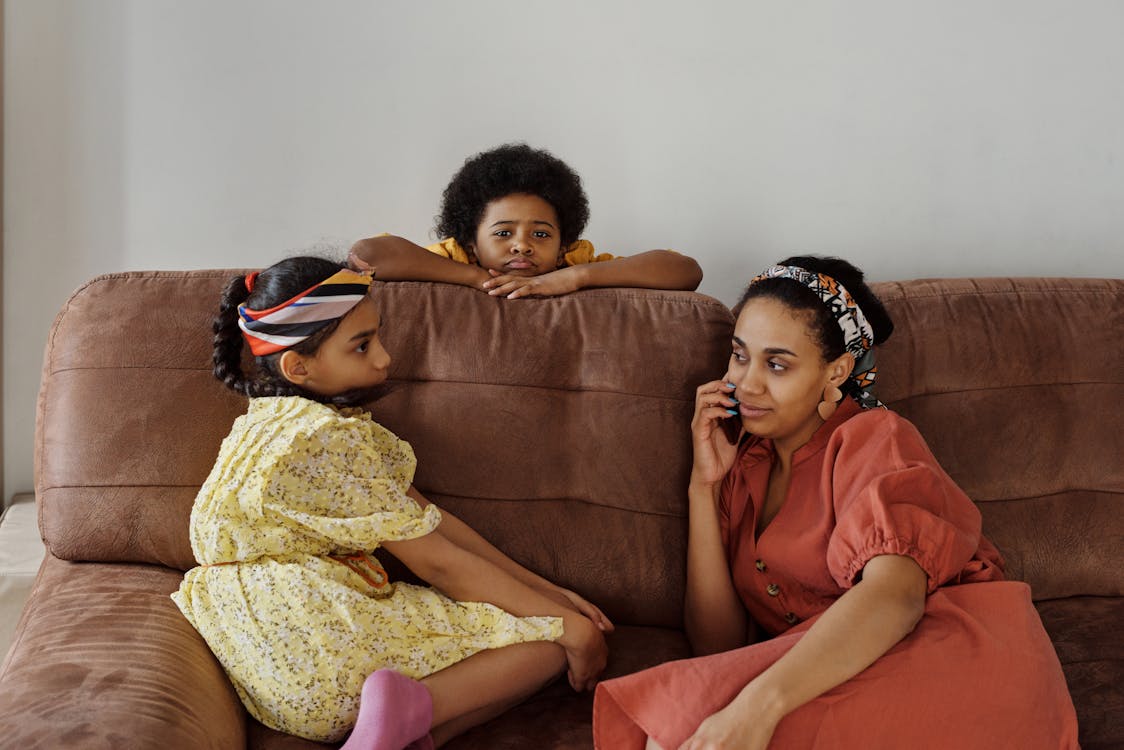
Mother and Children on a Sofa
2. Aggression
If your child is aggressive, it's a good idea to listen seriously to what your child is saying. That way, your child feels loved and gains the confidence to talk about any concerns or concerns.
3. Anxiety
Faced with emotional emptiness and lack of affection, children often feel unprotected. At the same time, when interacting with other people, I feel scared and anxious.
Instead of being safe, he feels threatened, continues to be aggressive, and is overly sensitive to his surroundings. Doubt and anxiety are obvious signs that something has happened to my child.

Children Sitting on Couch
4. Fear
If children's affection deficit is not treated in time, it can lead to emptiness and distrust. Unfortunately, children's affection deficit does not disappear even after adulthood if left unattended.
Children who do not receive the love and attention they want from their parents or relatives who are afraid of being abandoned. These symptoms should never be left unattended.
A family A psychologist or family therapist needs to check the child's condition and treat it with the parent. It will help you overcome your child's fears and improve parent-child relationships.
Reference article: How to build a bond between mother and child
5. Decreased learning ability
Lack of love and attention can lead to learning disabilities and can lead to loss of motivation to do school assignments at home. Studies by several psychologists have confirmed that children with emotional deficiencies have lower language skills and lower grades.
Children with a lack of affection learn to speak more slowly and less socially than ordinary children. They hide their feelings and reject the love and interest around them.
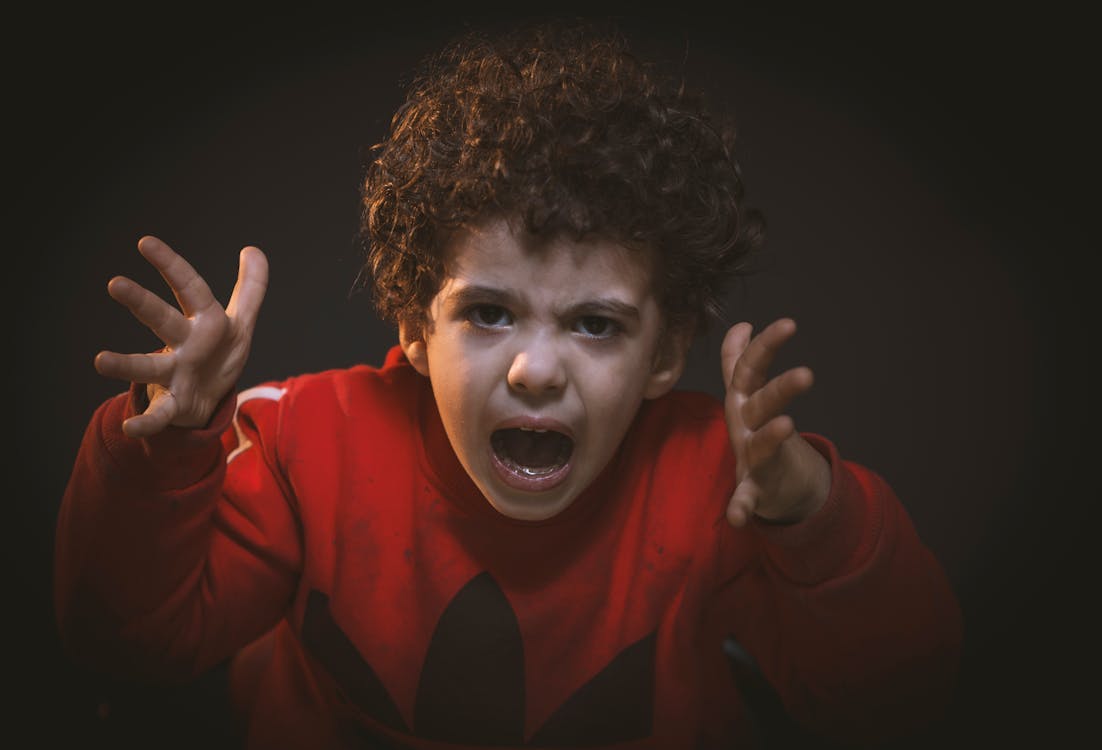
Toddler With Red Adidas Sweat Shirt
6. Obsessed with electronic devices
Some parents hold a “digital nanny” in their child's hand as a way to care for their child. The child's interest and nerves are drawn to electronic devices or watching TV, creating a non-face-to-face nursing environment.
Unfortunately, in these circumstances, children can be trapped in a balloon of technological a civilization that is far from human interaction.
conclusion
Children with a lack of affection has an unimaginable fear of losing their beloved parents. So, the child has a sad situation where he is sensitive to what is happening around him.
A child who grew up feeling deprived of family love remains in a state of anxiety. And they keep looking for emotional relationships that can satisfy their desire for love and protection.
Remember that your child will need the love and attention that you continue to express. The expression of affection is a decisive factor that helps a child's personality formation and brain development.
Lack of affection can be the cause of an unstable appearance, such as emotional maturity, selfishness, and identity problems. A child who grows up without knowing love may not be able to keep interpersonal relationships comfortable and stable, but rather focus on creating conflicts and problems.



Comments
Post a Comment